

Tuesday, September 1, 2026
Time to read: About 6 minutes. Contains 1,225 words.
There are movies that are best enjoyed while stoned (most movies, imho), and then there are stoner movies. Movies like Harold & Kumar Go To White Castle and Pineapple Express, whose plots, narrative logic, and overall tone are driven by weed highs. Since Cheech & Chong, they’ve been a staple in the comedy genre, but in recent years, not so much. According to writer Alison Foreman, that’s legal weed’s fault.
In her Opinion piece for IndieWire this past 4/20—“Stoner Movies Are Dead, and Weed Killed Them”—Foreman posits that now that cannabis is more accepted, legally and socially, its lost the narrative tension that made stoner movies work. Not only is there less risk in consuming, but there’s less cinematic presence with modern accessories that look like any old nicotine vape. Drugs of all varieties are still present in film and TV—weed, from Foreman’s perspective, just sits in a less entertaining place these days.
“Which leaves marijuana in an awkward middle ground as a substance that’s too normalized to generate inherent conflict, and too mild to drive high-stakes drama. Legalization didn’t kill the stoner movie on its own, but it ruined the thematic terrain those films once thrived on.”
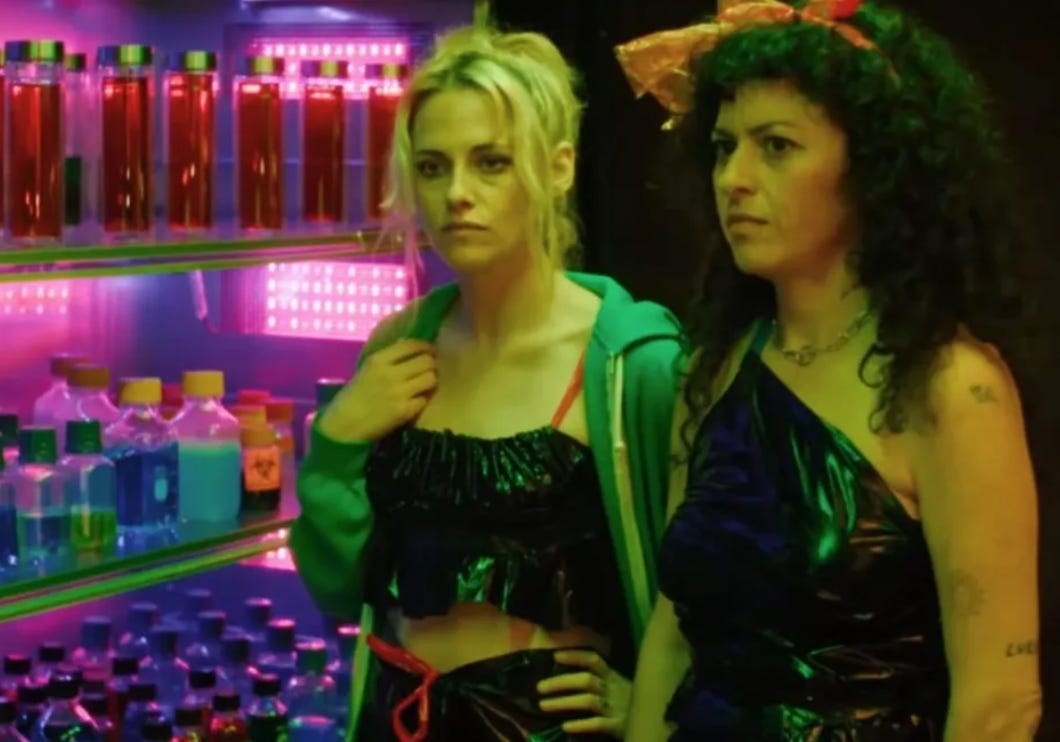
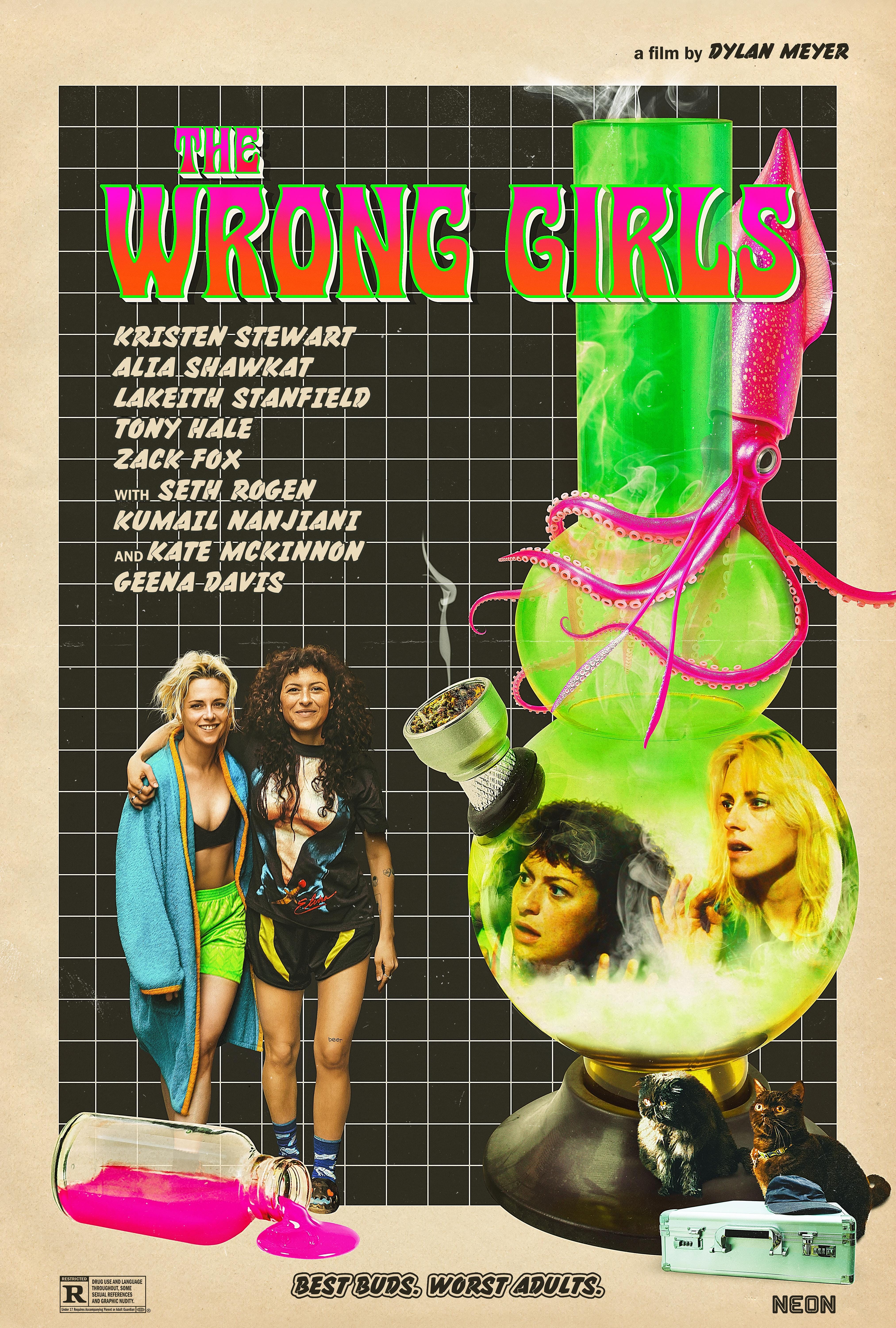
I agree that vapes are mostly lame on-screen, but I take umbrage at this overall take. I don’t think hiding from cops is intrinsic to a great stoner movie, nor is sourcing illegal buds, and there are more recent examples she might’ve missed that prove my point. She certainly didn’t see the The Wrong Girls coming—a new buddy comedy starring Alia Shawkat and Kristen Stewart that recently debuted in a gloriously high-THC marketing blitz.
In today’s newsletter, I want to zoom out to capture a more realistic, expansive definition of stoner movies to highlight just how alive this genre is, how legitimately important a role I believe stoner movies and weed in general could be positioned to play in modern movie-making and theater-going—and the very real creative obstacles that remain.
The Future Of Stoner Movies: As Bright As A True Sativa
Broad City, Time-Traveling Bong, One Of Them Days—all very satisfying stoner comedies made post-legalization that work because weed as an illegal substance isn’t driving the drama. New York technically hadn’t legalized yet during Broad City’s run, but the weediness of that show was less about acquiring and consuming it and more about the foibles and trials of millennial stoner gals affording city life. And getting weird! The animated episodes, the surreal hallucinations when Abi eats an edible while recovering from her wisdom teeth removal—the episode where it’s revealed she has a secret identity as a jazz singer when she blacks out. A great stoner comedy can center around this plant, but it doesn’t have to. It can take the experience of being high as a guiding force for absurd, surreal, silly, paranoid, and imaginative storytelling—a valuable perspective as Hollywood wrestles with creativity in a time of AI slop and safe sequels.
Take it a step further with this fun fact: there is no weed mentioned or consumed in the entirety of Dude, Where’s My Car.
A few other examples that illustrate this flexible genre (imho):
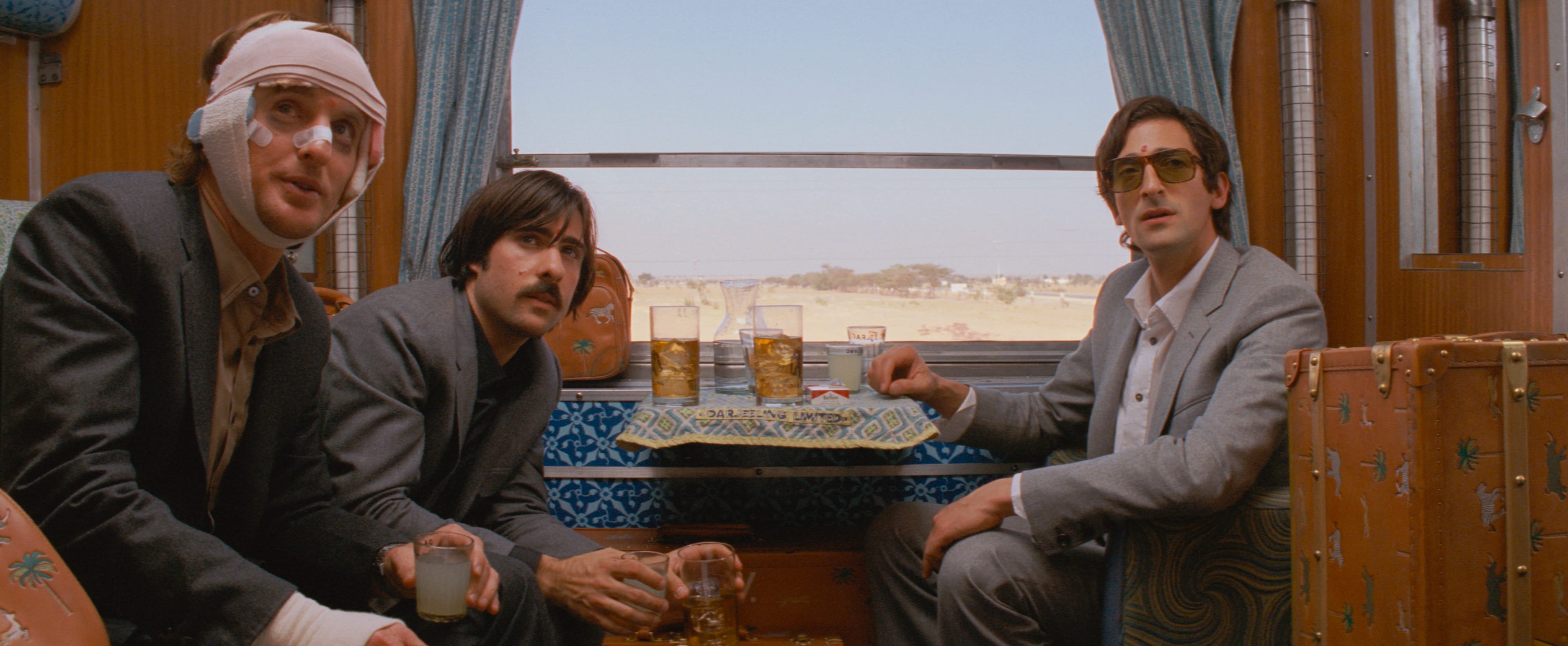
The Darjeeling Limited
There’s no weed in this Wes Anderson darling, but I’ve always felt that the vibe-y, vibrant slow-motion shots, Indian setting, and charming exploits of bumbling brothers (who are regularly sipping a vague bottle of “Indian painkillers”) feel the most weed-adjacent out of Anderson’s oeuvre. And I’m not alone!
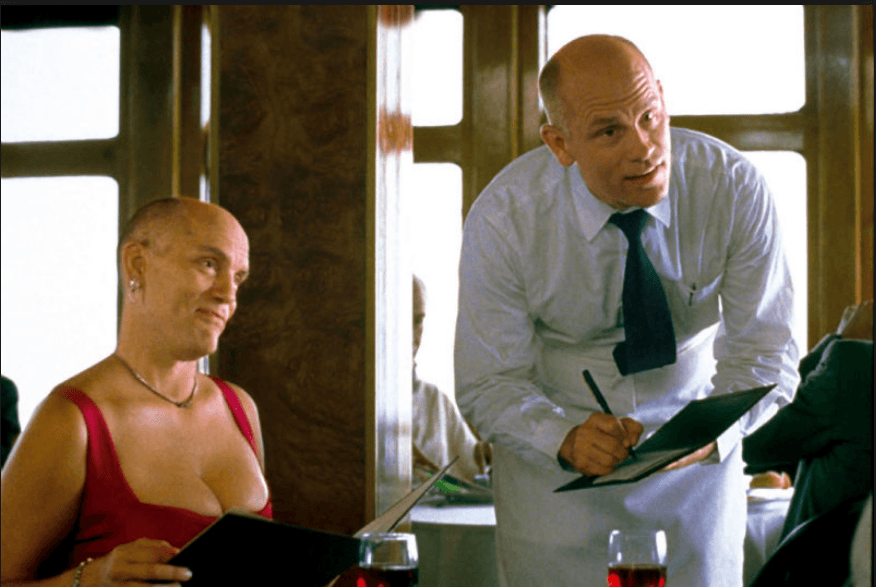
Being John Malkovich
Despite a literal lack of weed, Charlie Kaufman films are often included in lists of movies to watch while stoned. That’s because the surreal logic and unexpected twists make perfect sense to a cannabinoid-rich mind, as does the juxtaposition of relatable, often mundane characters and stranger-than-fiction scenarios.
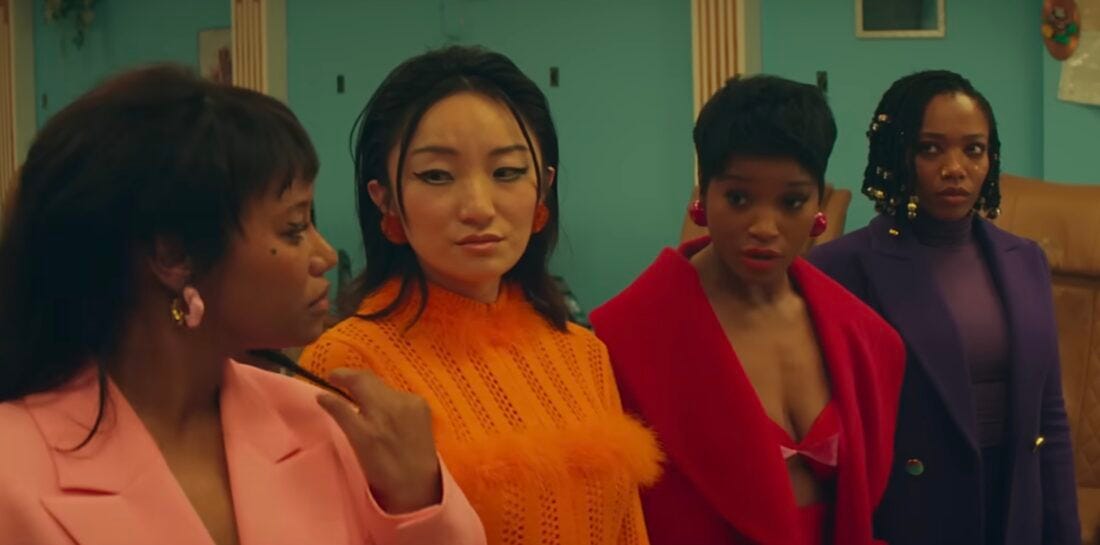
I Love Boosters
Boots Riley’s recent social satire captured a stoned mindset with an anti-capitalist spirit, a mind-expanding color palette, and unhinged explorations of mixed-media production techniques, including stop-motion animation, puppets, and claymation-style handmade effects. My most lamented sober viewing during this pregnancy, without a doubt.
Instead of a pigeonholed comedic theme, I think the ubiquity of cannabis in 2026 can only help fuel more creative visual storytelling. We have more tools than ever to help us bring previously unfilmable ideas to life. Stoner characters are no longer limited to college-age dudes—they can be soccer moms, artistic nerds, and fashionista revolutionaries.
Weed In Movie Marketing
Another benefit to dealing with weed in a more broadly legalized landscape: cannabis inspiring more memorable PR moments—albeit to very different ends.
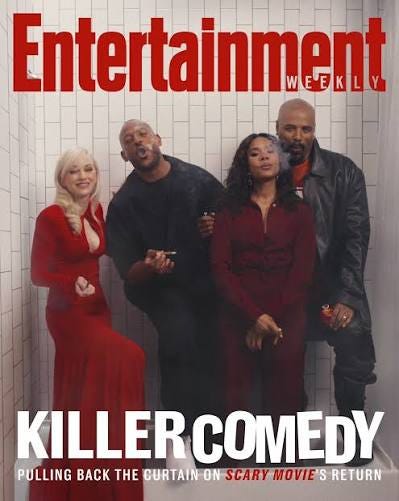
Case Study #1: The Scary Movie reboot.
Did anyone else get misty eyed seeing the cast reunite on the red carpet? Nostalgia had much to do with this movie’s somewhat random return, for sure, but I think weed ended up buoying its frankly impressive theatrical run in June. A bong-shaped popcorn bucket, a smoky Entertainment Weekly cover, a PAX vape collab—the original cast was even seen hotboxing a glass-walled living room in the middle of Times Square while watching the original movie. Paramount leaned the entire marketing budget into the lowest hanging buds, and it seemed to pay off. It was #1 at the box office with $55 million in its opening weekend. Despite universally unfavorable reviews, Scary Movie 6 was the 12th highest-grossing movie at the box office this summer, coming in just behind Disclosure Day.
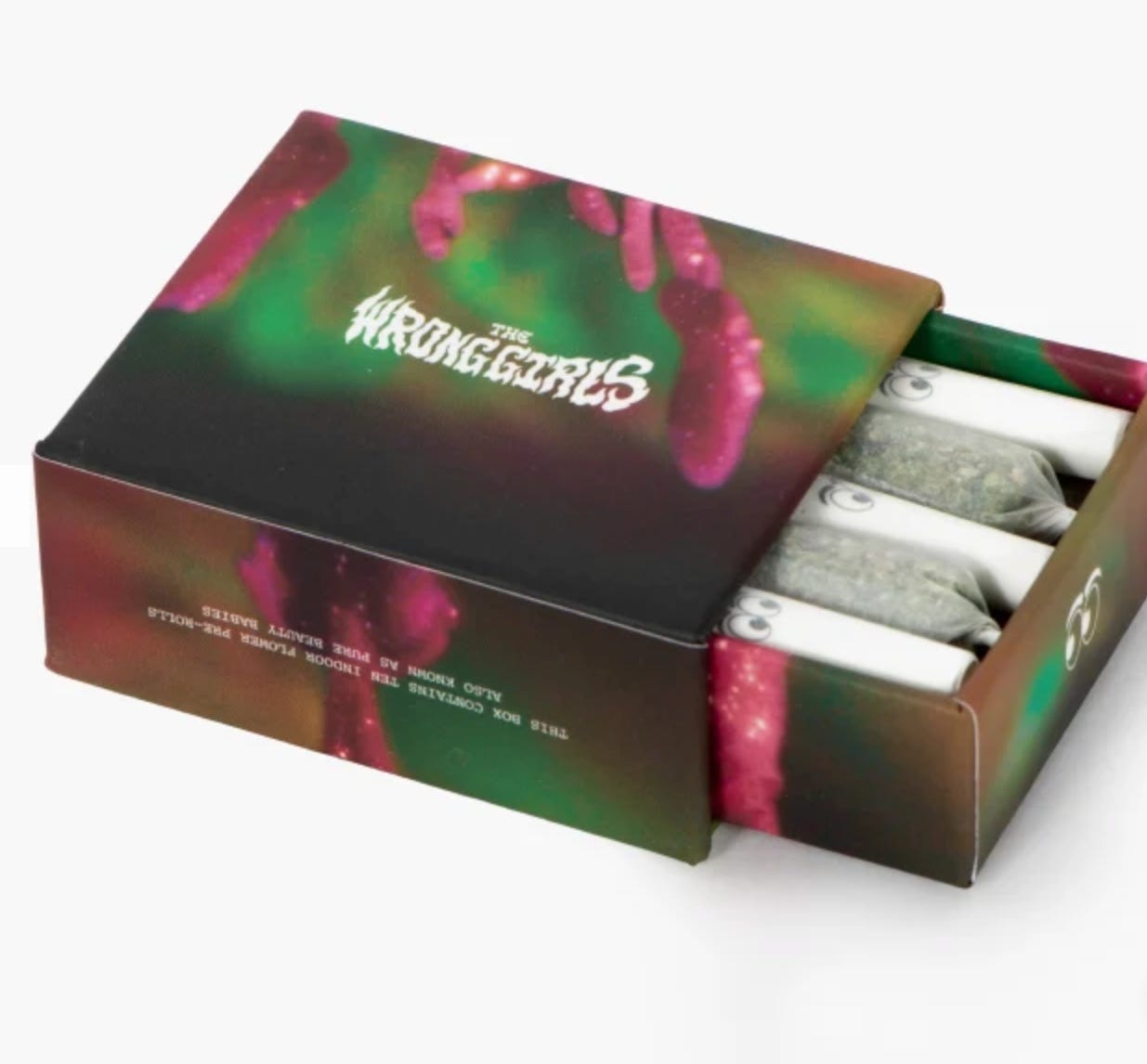
Case Study #2: The Wrong Girls.
It was so cool to see this indie crew tap into our community in authentic ways, from a mini joint collab with Pure Beauty to a KBBQ sesh with everyone’s favorite lunch date, Natasha Zhatko (@natashahasthemunchies), and a consumption-friendly outdoor watch party hosted by Hiii Magazine. Unfortunately, these cool moments (and far more positive reviews) didn’t equate to a bangin’ theatrical run. After earning $433,600 in its opening weekend (Aug. 14-16), the film wrapped up its domestic theater run on August 27 with a total box office tally of $838,500. That’s on the short end of average theater runs, but not uncommon for indies. But it debuted in over 500 theaters…which means basically no one showed up. For context, fellow indie Maddie’s Secret ran in under 150 theaters and hit $1.2 million.
Does Weed Keep Us Home Or Get Us Out?
Much to my dismay, The Wrong Girls’ shitty numbers certainly validate the idea that nostalgia-drenched sequels are a safer financial investment for studios. TWG isn’t exactly the kind of movie people feel compelled to see on the big screen, but I wouldn’t have thought the sixth installment of a dusty comedy franchise would be either. So, as far as this summer goes, nostalgia may have had a stronger pull than high movie dates.
As someone who loves going to the movies high, I just can’t relate.
Maybe it’s Portland’s thriving indie theater scene and innate stoner-friendliness, but I never feel self-conscious at the theater. The smell of popcorn drowns out the loudest herbal aromas. Everyone’s buying ridiculous amounts of snacks. Being in a cool, dark theater for a few hours, untethered from my phone and work-from-home tasks—this is one of my favorite things to do high. Is it any of yours?
While a range of social consumption lounges are navigating emerging regulations and private membership loopholes across the country, a consumption-friendly movie theater has yet to be tested. As blockbusters get longer, I wonder whether that wouldn’t be the most consistently packed theater in the game. Whenever Danny McBride wants to give his “Green Screen” theater-cum-dispendary concept a go, I’ll be first in line to support marketing efforts.
Although disappointing, the box office numbers aren’t the end-all, be-all gauge of success for The Wrong Girls. It could become a runaway cult-classic on streaming. Perhaps TWG suffered from timing—if millennial weed gals were the target audience, they weren’t accounting for how many of us are currently pregnant and waiting to watch this until we can get absolutely zooted.
Puff, puff, pass the popcorn,
Lauren Yoshiko
It's Funny that States who Trump carried in last election, are the states that are losing their Homes?
Map Shows Where Foreclosures Are Surging Under Donald Trump - Newsweek